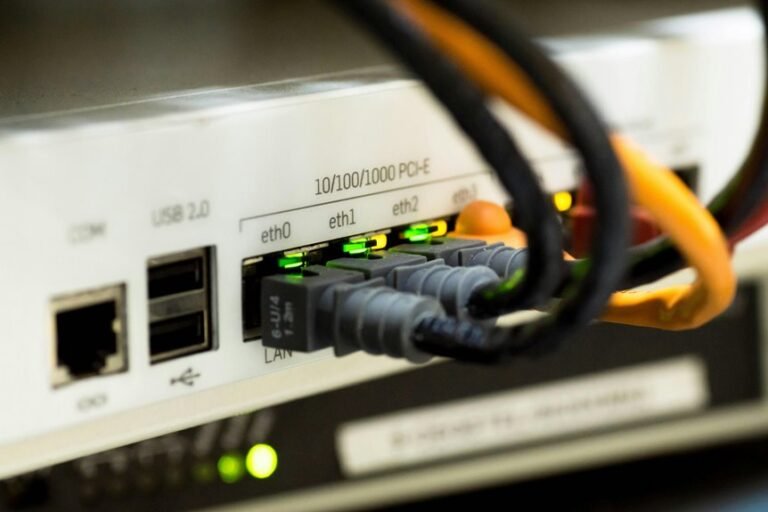
The Secure Internet Framework 650427400 serves as a critical component for businesses aiming to navigate the complexities of modern cybersecurity. Its structured approach to risk management and access control mechanisms enhances operational resilience. Companies adopting this framework may find themselves better equipped to fend off emerging cyber threats. However, the effectiveness of this framework hinges on its implementation and continuous adaptation. What specific strategies can organizations employ to maximize the benefits of this framework?
Understanding the Secure Internet Framework 650427400 and Its Importance
The Secure Internet Framework 650427400 serves as a pivotal structure for organizations aiming to enhance their cybersecurity posture in an increasingly digital landscape.
It facilitates secure connectivity while integrating comprehensive risk management strategies.
Key Features That Enhance Security and Resilience
While organizations increasingly face sophisticated cyber threats, key features embedded within the Secure Internet Framework 650427400 serve to enhance security and resilience.
Notably, robust data encryption protocols safeguard sensitive information from unauthorized access, while stringent access control measures ensure that only authenticated users can interact with critical systems.
Together, these elements form a comprehensive defense strategy that empowers businesses to operate securely in a dynamic digital landscape.
How to Implement the Secure Internet Framework 650427400 in Your Business
A comprehensive plan is essential for effectively implementing the Secure Internet Framework 650427400 within an organization.
Key implementation strategies include conducting thorough security assessments to identify vulnerabilities and align resources accordingly.
Organizations should prioritize continuous monitoring and adaptive measures to ensure compliance with evolving security standards.
Real-World Success Stories: Businesses Thriving With Enhanced Security
As organizations increasingly adopt enhanced security measures, numerous businesses have reported significant improvements in operational resilience and customer trust.
Case studies from various industries illustrate that firms implementing robust security frameworks experience reduced breaches and enhanced compliance.
Industry examples demonstrate not only a decline in cyber threats but also an increase in customer loyalty, showcasing the direct correlation between security investment and business success.
Conclusion
In an age where businesses often overlook cybersecurity, the Secure Internet Framework 650427400 emerges as an ironic necessity—both a shield against threats and a paradoxical path to trust. Organizations that prioritize its implementation not only safeguard sensitive information but also unwittingly position themselves as industry leaders, highlighting the absurd reality that in protecting their assets, they simultaneously enhance their reputations. Thus, in a world rife with digital vulnerability, embracing robust security measures becomes the true hallmark of business success.